
Author: 126758pwpadmin
-
One Fiber Route, Multiple Jurisdictions: Managing TCPs Across Colorado’s Front Range
A middle-mile fiber route may look like a simple line on a construction map. But from a permitting and traffic control standpoint, it can be anything but simple A telecom build along Colorado’s Front Range can move from one municipality into another, cross county right-of-way, intersect a CDOT highway, and pass through everything from residential…
-
Emergency Traffic Control in Denver | Rapid Response for Utility Emergencies
A gas line is struck during excavation. A water main ruptures beneath a busy intersection. A contractor accidentally cuts a fiber optic cable serving thousands of customers. These situations don’t wait for business hours—and neither can traffic control. Across Colorado’s Front Range, emergency utility repairs happen every day. When they do, the priority isn’t just…
-
Why Some Jurisdictions Require Satellite Imagery Traffic Control Plans Instead of Traditional Drafted TCPs
Understanding the Requirements Behind Modern Traffic Control Plan Reviews If you’ve submitted Traffic Control Plans (TCPs) in multiple jurisdictions, you’ve probably noticed that permit requirements can vary significantly from one agency to another. While some municipalities and transportation departments prefer traditional drafted plans based on engineering drawings, others increasingly require TCPs to be developed using…
-
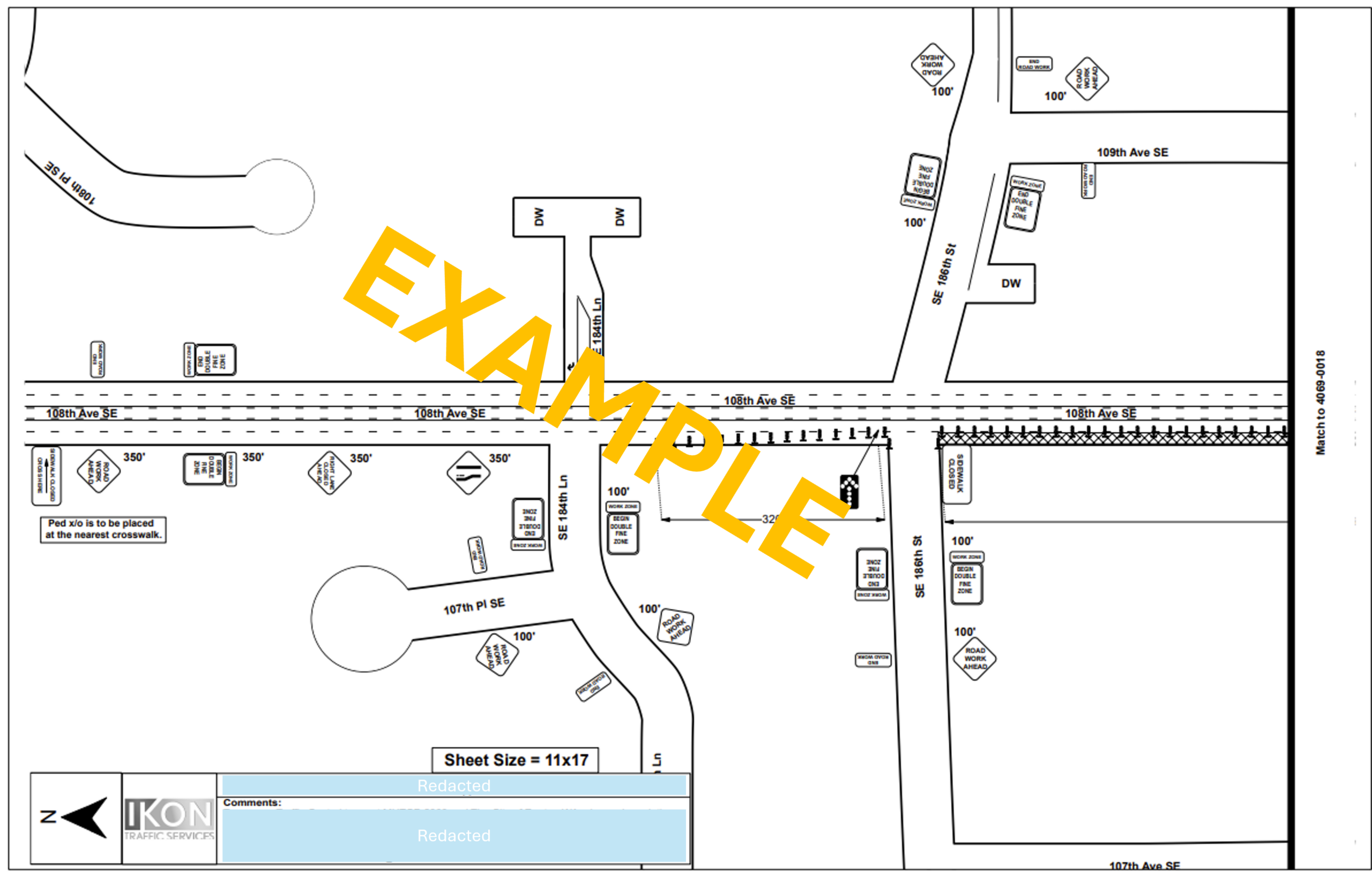
Traffic Control Plans for FTTH Projects: What OSP Engineers Need to Know About Permitting
As Fiber-to-the-Home (FTTH) deployments continue to expand across the United States, engineering firms, broadband providers, and telecom contractors face increasing pressure to deliver projects on aggressive schedules while navigating complex municipal permitting requirements. Whether a project involves directional boring, conduit installation, aerial fiber placement, handhole construction, or network maintenance, work occurring within the public right-of-way…
-
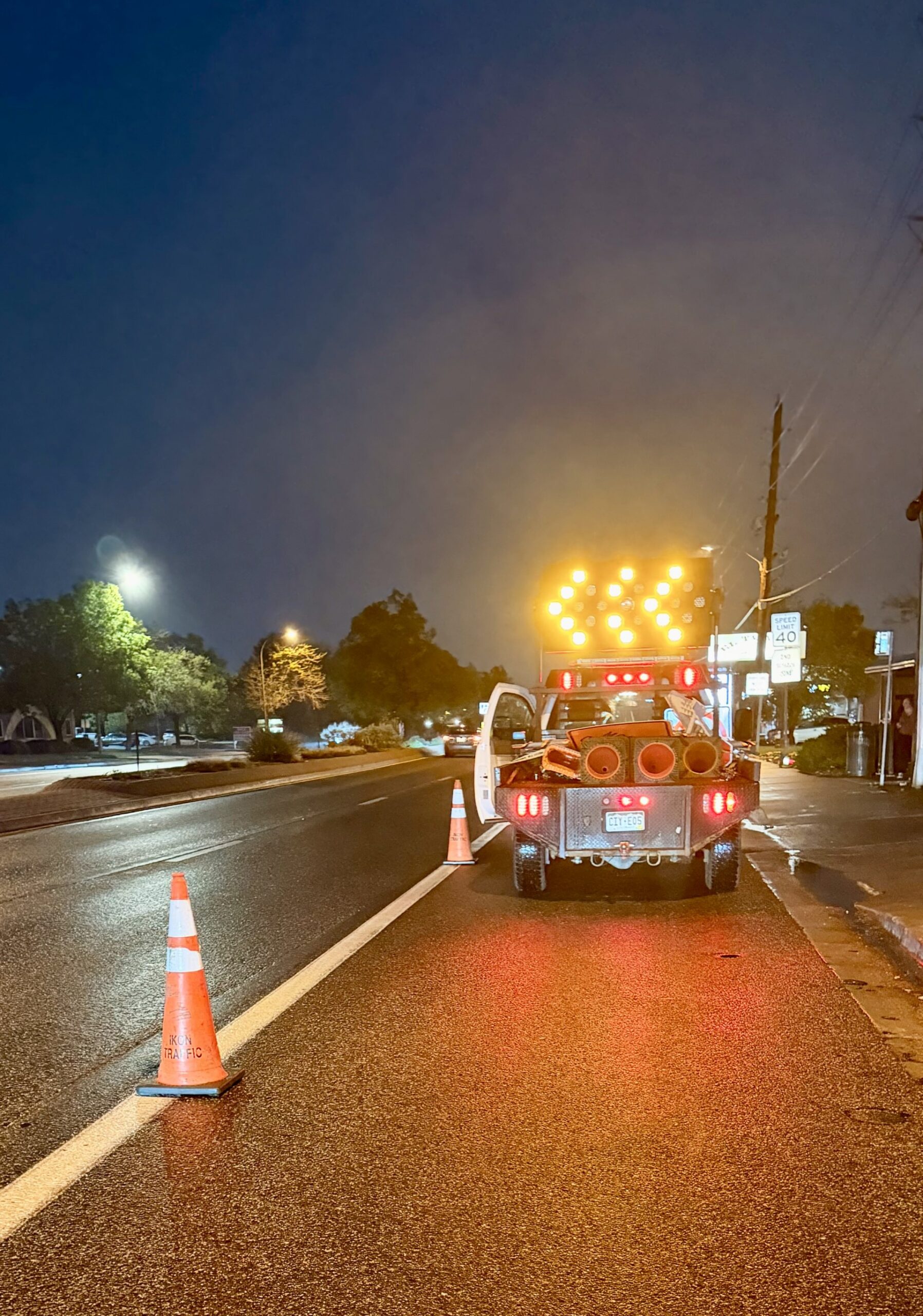
Lane Closures and Flagging Services: What Contractors Need to Know Before Starting a Road Project
Spring and early summer are when roadwork ramps up across the Front Range. From fiber installs along Colfax to utility trenching in Aurora and asphalt repairs in Lakewood, contractors across the Denver metro are mobilizing crews as municipalities push infrastructure projects into full swing. But one issue continues to slow projects down before crews even…
-
Spring Into Safety: April Traffic Control Planning for Colorado Project Managers & Trades
Across Colorado’s Front Range, April signals go-time. The Rockies are back at Coors Field, crews are back in the field, municipalities are opening the floodgates on permits, and projects that sat dormant all winter suddenly need to move. Even with an unseasonably warm / dry winter, the construction economy is getting its legs back under…
-
Douglas County Traffic Control: What Contractors Need to Know to Stay Compliant and Keep Projects Moving
If you’re managing a construction, utility, or infrastructure project in Douglas County, Colorado (southern end of the Denver metro area), traffic control isn’t just a box to check—it’s a critical part of keeping your project on schedule, your crews safe, and your permits approved. From Castle Rock to Highlands Ranch, Douglas County has seen rapid…
-
Traffic Control for Colorado Mountain SUE Operations: What Engineers and Contractors Need to Know
Every spring across Colorado’s mountain corridors, survey crews and Subsurface Utility Engineering (SUE) teams start preparing the ground for the summer construction season. Before paving crews arrive or utility replacements begin, engineers and contractors rely on SUE work—vac trucks, potholing crews, and utility locators—to safely map underground infrastructure. But in the Colorado mountains and across…
-
Sidewalk Closures in Denver: Pedestrian Detours, ADA Basics, and Common Field Mistakes
Sidewalk closures are a routine part of construction in Denver, but they are rarely simple. In dense corridors and active neighborhoods, pedestrian impacts carry the same weight as lane closures. If a sidewalk is blocked, the city expects a safe, accessible alternative that is clearly documented in a Denver sidewalk closure traffic control plan. Yes,…
-
One-Lane vs Two-Lane Closures in Denver: Equipment, Staffing, and Typical Permit Conditions
If you’re planning work in the Denver right-of-way, lane closures are often the difference between a smooth permit process and a project that gets delayed before crews ever mobilize. A lane closure permit in Denver is not just a formality. The City will typically expect a traffic control plan (TCP) that matches the scope of…